11 November 2026
What to Check After a Major Storm Hits Your Roof
Presented by @underoneroof
How to approach roof damage after a storm
When a major storm passes through Central Texas, the first thing many homeowners ask is whether their roof survived. High winds, hail, and heavy rain can leave damage that isn't always visible from the ground. Knowing what to look for and how to document it can make the insurance claims process smoother. This article walks through the key points to inspect after a storm, with practical reasons for each check.
Start with a safe walk-around
Before you climb a ladder or step onto the roof, take a thorough look from the ground. Walk around the entire house and look for obvious signs like missing shingles, dented gutters, or debris on the roof surface. Use binoculars if you have them. The reason is simple: many roof leaks start with small damage that gets worse over time. Catching it early helps you decide whether to file a claim or handle repairs directly.
If you see anything suspicious, take photos from the ground. Capture the whole roof line, then zoom in on any spots that look off. Good documentation is critical for your claim. You want clear images that show the date and the extent of the damage. This will help the adjuster understand what happened.
Check for hail impact marks
Hail is common in Texas storms, and it can damage roofing materials in different ways. On asphalt shingles, hail often leaves round, dark dents or cracks. On metal roofs, it can create dings or even puncture the surface. On tile or concrete roofs, it can chip or crack the material. Walk the roof if it is safe, or look from a second-story window. Focus on areas where hail would hit first, like ridges and south-facing slopes.
Why does this matter for your claim? Hail damage is usually covered under standard homeowners policies. But you need to show that the damage was caused by the storm, not by age or wear. That is where clear documentation and photographs help. Mark each spot with a piece of tape or chalk if you can, and photograph it with a ruler or coin for scale.
Look for missing or loose shingles
Wind from a major storm can lift shingles, tear them off, or loosen the seal around flashing. Check for bare spots on the roof deck where shingles are gone. Also look for shingles that are curled, cracked, or sitting at a funny angle. These are weak points that will let water in during the next rain.

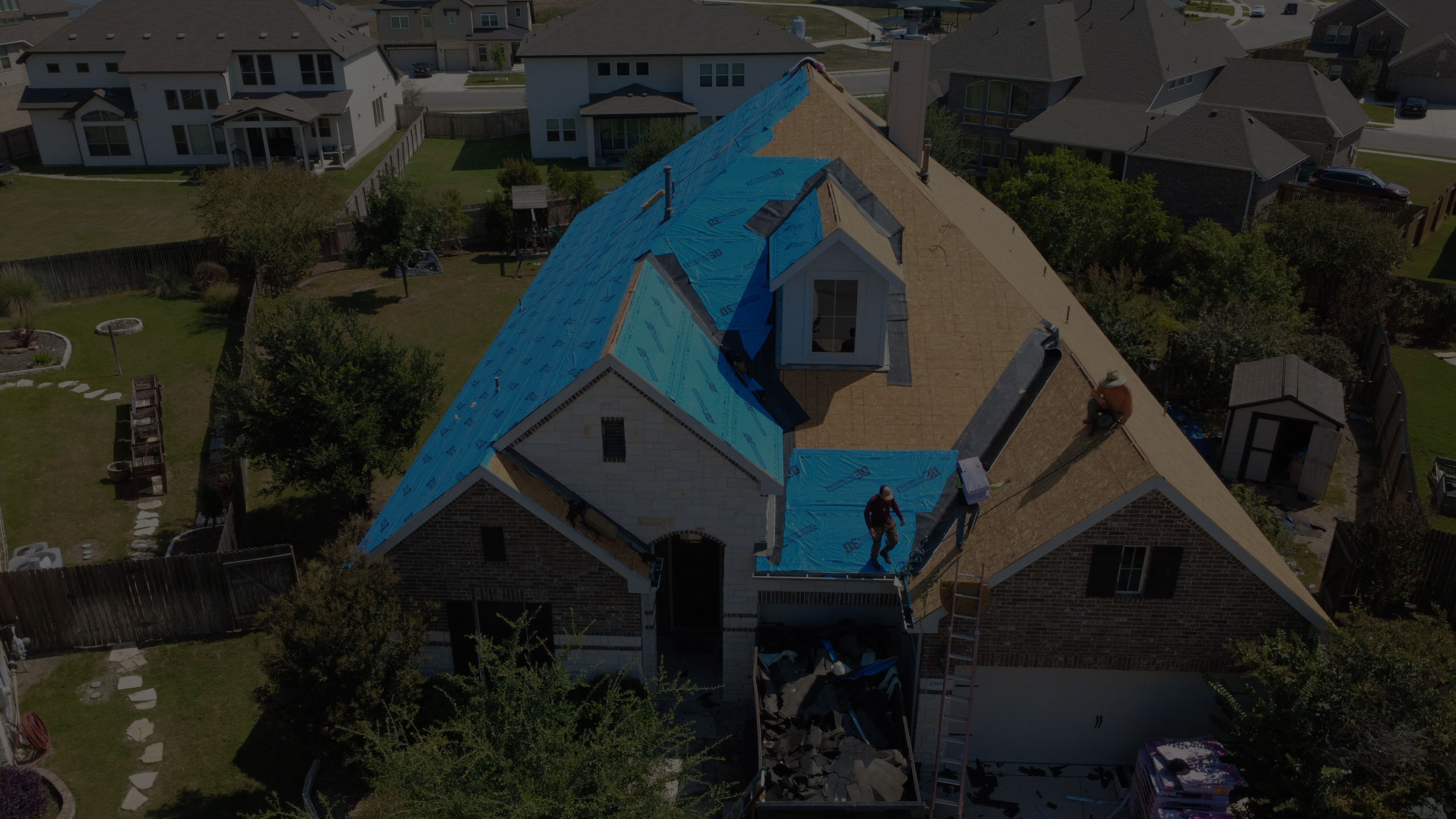
If you find missing shingles, note the location on a sketch or in a notebook. The adjuster will want to know how many are missing and whether the underlayment is exposed. Temporary repairs, like covering exposed areas with a tarp, are a good idea to prevent further water damage. Keep receipts for any materials you buy for temporary repairs; your policy may reimburse you for that cost.
Inspect flashings, vents, and skylights
Flashing is the metal or plastic trim that seals roof edges, chimneys, vents, and skylights. Storms can loosen flashing or tear it away. Check around every penetration on your roof: plumbing vents, exhaust fans, skylights, and the chimney. Look for gaps, rust, or missing sealant. Water often enters through these spots even when the rest of the roof looks fine.
Take close-up photos of any damage you find. For skylights, check for cracks or seal failure. For metal flashings, look for dents or pulled nails. These are common sources of leaks that can be missed in a quick glance. Documenting them helps the adjuster understand the full scope of work needed.
Check gutters and downspouts
Gutters take a beating during a storm. Heavy rain can fill them with debris, and hail can dent or puncture them. Walk the perimeter and look for sagging sections, holes, or gutter seams that have pulled apart. Also check downspouts for clogs or damage. If gutters are clogged, water can back up under the roof edge and cause rot.
Gutter damage is often covered under the same claim as roof damage, but it needs to be documented separately. Take photos of any dents, holes, or separations. If a downspout is crushed, note that too. The adjuster will include gutter repair in the restoration estimate if you show the damage.
Assess the attic for leaks and moisture
After the storm, go into your attic with a flashlight. Look for water stains on the underside of the roof deck, along rafters, and around vents or chimneys. Also check for damp insulation or mold. Even if the roof looks fine from outside, a slow leak can show up inside first.
Take photos of any stains or moisture. Use a moisture meter if you have one, or just touch the wood to feel for dampness. This evidence is powerful for your claim because it proves that water entry happened during the storm. The adjuster will want to see that the damage is fresh, not from an old leak.
Document everything before calling the adjuster
Once you have identified all the damage, gather your documentation. This should include a list of damaged areas, photographs with timestamps, and sketches or notes. Also have your policy number and deductible information ready. Many homeowners wonder whether to file a claim for minor damage. A good rule of thumb is that if the repair cost is less than your deductible, you may want to pay out of pocket. But if the damage is widespread or involves structural issues, a claim makes sense.
The adjuster will visit your property and inspect the roof. They will compare your documentation with their own assessment. The more thorough your documentation, the smoother the process. Be present during the inspection if you can, and point out every damaged area you found. The adjuster will write a scope of work and a restoration estimate. That estimate will include the cost of materials, labor, and any temporary repairs.
This is also a good time to talk about policy coverage. Some policies cover replacement cost, while others cover actual cash value (which subtracts depreciation). Your adjuster can explain which applies to your claim. If you have questions, ask before you sign anything.
When to call a professional
Not all roof damage is visible from the ground or even from a quick walk on the roof. Some issues, like hidden leaks in the underlayment or structural damage from wind uplift, require a professional roof inspection. A licensed roofing contractor can perform a detailed inspection and provide a written report. That report can serve as supporting evidence for your claim.
If you live in Cedar Park, Leander, or nearby North Austin communities, you have access to contractors who specialize in storm restoration roofing. These professionals understand local weather patterns and insurance claim requirements. They can help you navigate the process from inspection through repair.
Regenesis Roofing & Restoration LLC is also on Instagram.
One thing to keep in mind: if you file a claim, your insurance company may send their own adjuster. But you are also allowed to hire a private adjuster or a roofing contractor to represent your interests. Having a second set of eyes on the damage can help ensure nothing is missed.
What to expect after the claim is filed
Once the adjuster completes their inspection, they will issue a report and a payment offer. That offer is based on the scope of work they approved. If you disagree with the estimate, you can appeal. Provide additional documentation, like a contractor's repair estimate, to support your case. Most claims are settled within a few weeks, but complex ones can take longer.

During this time, keep all receipts for temporary repairs and any materials you bought. Also hold onto any correspondence with your insurance company. Good records protect you if there is a dispute later.
Rebuilding a roof after a major storm is not just about replacing shingles. It is about restoring the integrity of your home. Proper storm restoration roofing ensures that the new materials are installed correctly and that the roof meets current building codes. That is why most contractors recommend a full replacement if more than a third of the roof is damaged. It saves money in the long run and avoids patchwork repairs.
Regenesis Roofing & Restoration LLC, located at 2302 John Tee Dr, Cedar Park, TX 78613, USA, is a local roofing contractor providing roof inspections, repairs, replacements, hail damage restoration, and storm-related roofing services in Cedar Park, Leander, and nearby North Austin communities. They can be reached at +1 512-674-5979.